Valuable vs Invaluable: What’s the Difference? Meaning, Usage, and Examples

Valuable vs Invaluable

Have you ever stopped while writing and wondered whether you should use valuable or invaluable? At first glance, these two words look like opposites. After all, the prefix in- often means “not,” so it seems logical to think invaluable means not valuable. Surprisingly, that’s not what the word means. In modern English, valuable describes something … Read more

Systematic vs Systemic: What’s the Difference? Meaning, Usage, and Examples

Systematic vs Systemic

Many English words look almost identical yet carry completely different meanings. Systematic and systemic are perfect examples. At first glance, they differ by only two letters. However, those small differences create a major shift in meaning. If you use the wrong one, your sentence can communicate something entirely different from what you intended. For example, … Read more

Sympathetic vs Empathetic: What’s the Difference? Meaning, Examples, and Correct Usage

Sympathetic vs Empathetic

Have you ever comforted a friend after a difficult day only to wonder whether you were being sympathetic or empathetic? You’re not alone. These two words appear in everyday conversations, workplace discussions, psychology books, and even job descriptions. Yet many people use them as if they mean exactly the same thing. At first glance, the … Read more

Safety vs Security: What’s the Difference? Definitions, Examples, and Correct Usage

Safety vs Security

People often use safety and security as if they mean the same thing. Although both involve protection, they address different types of risks. Understanding the distinction helps you communicate more clearly, make better decisions, and choose the right measures to protect people, property, and information. Imagine a school building. Installing smoke detectors, fire extinguishers, and … Read more

Price vs Cost: What’s the Difference? Meaning, Examples, and Why It Matters

Price vs Cost

When people talk about money, they often use price and cost as if they mean the same thing. They don’t. Although the two terms are closely connected, they describe different parts of a transaction. Understanding the difference can help you make smarter purchasing decisions, price products more effectively, and manage your finances with greater confidence. … Read more

Poisonous vs Venomous: What’s the Difference? Meaning, and Correct Usage

Poisonous vs Venomous

Many people use poisonous and venomous as if they mean the same thing. They both describe dangerous animals, plants, or other living things, so the confusion is understandable. However, these words have very different meanings in science and everyday English. People often search for “poisonous vs venomous” because they want to know which word is … Read more

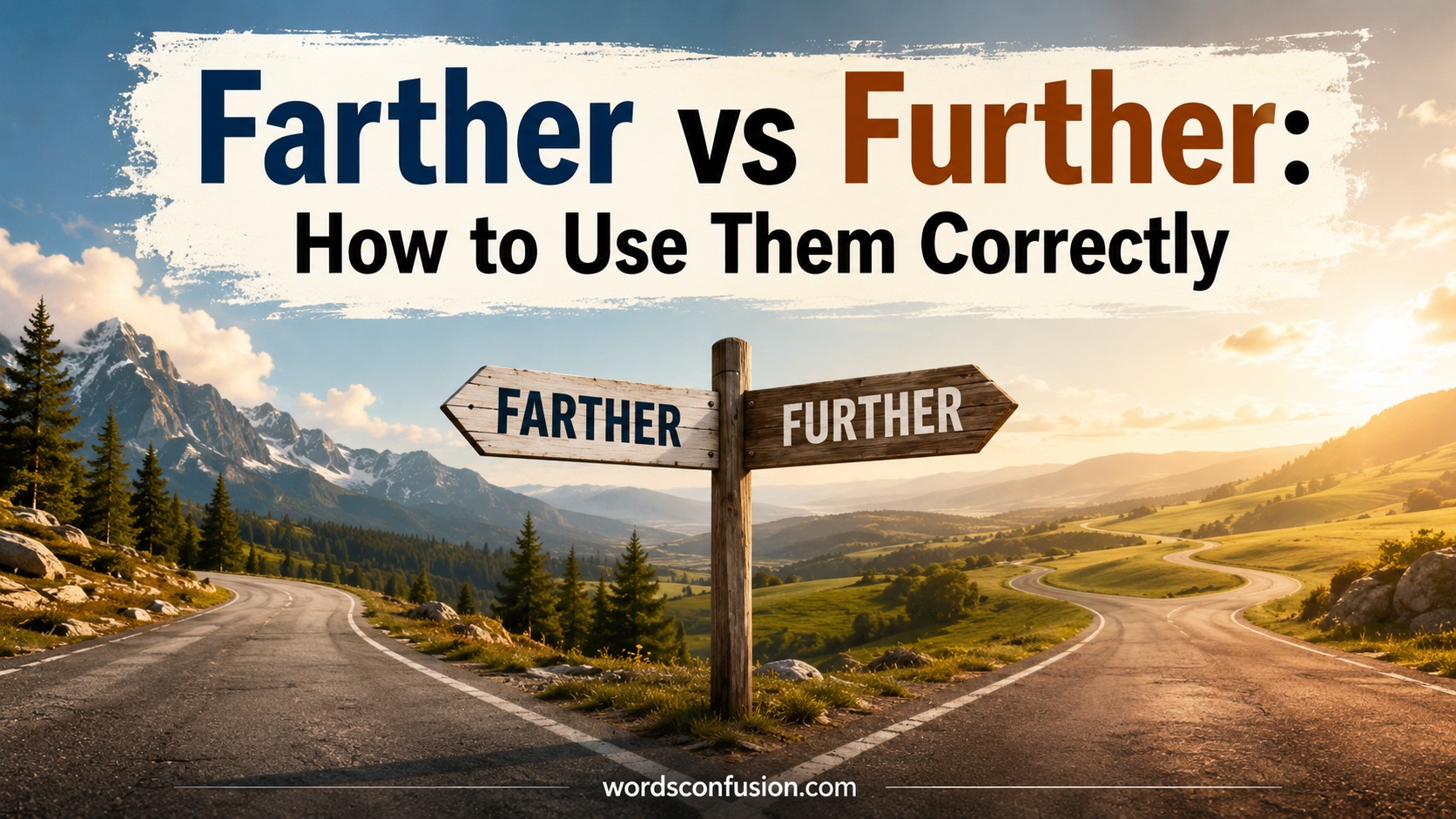
Further vs Farther: What’s the Difference? Meaning, Examples, and When to Use Each

Further vs Farther

Many English learners and even native speakers get confused by further and farther. Both words look similar, sound almost the same, and can sometimes be used in the same sentence. Because of this, people often wonder which one is correct and when each word should be used. The main difference is simple. Farther usually refers … Read more

Especially vs Specially: What’s the Difference? Meaning, Examples, and Grammar Guide

Especially vs Specially

Many English words look almost the same but have different meanings. Especially and specially are perfect examples. Because they share the same root word, many people think they can be used in the same way. However, they are not always interchangeable. People often search for especially vs specially because they want to write correctly in … Read more

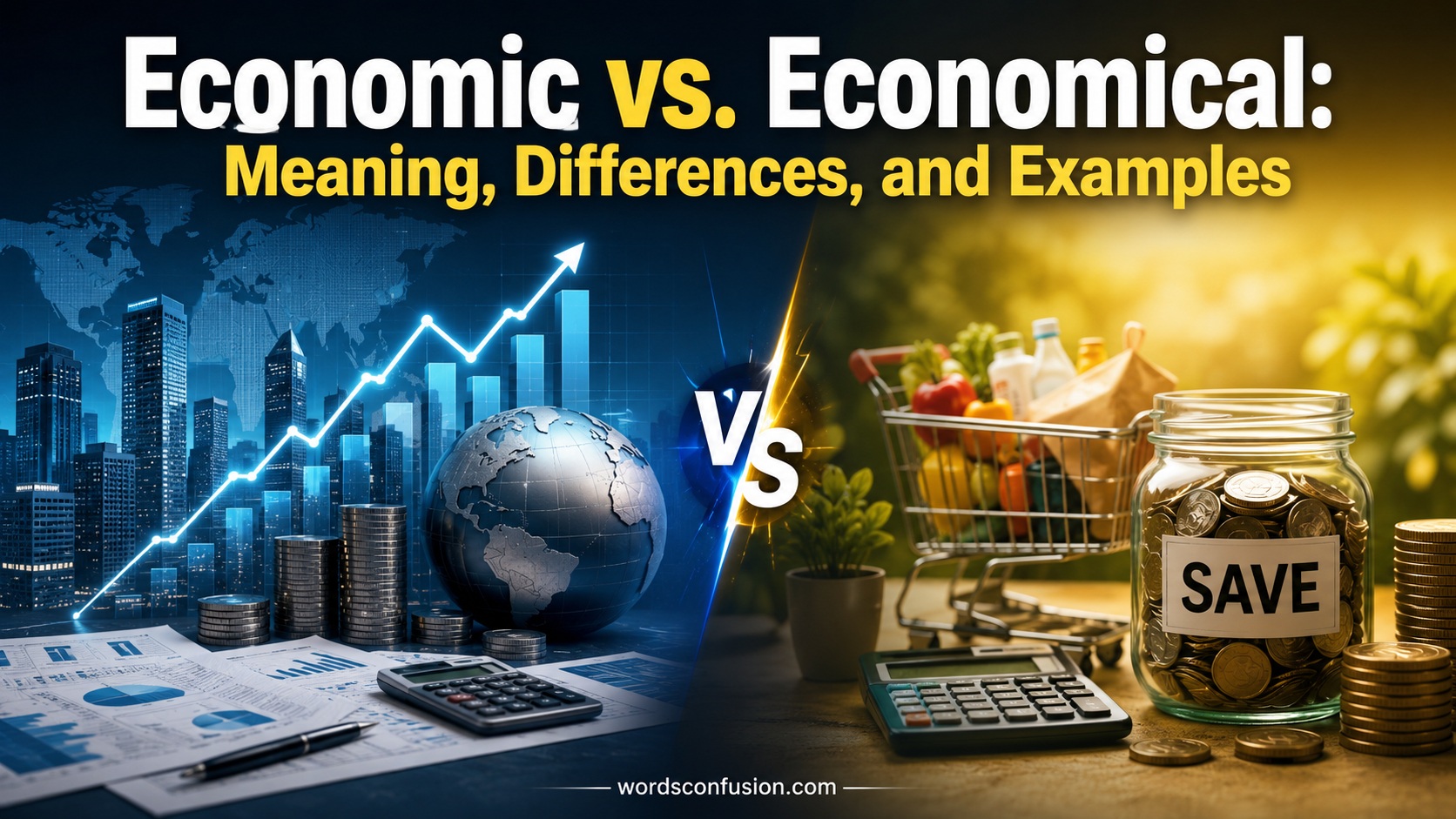
Economic vs Economical: What’s the Difference? Meaning, and Examples

Economic vs Economical

Have you ever paused while writing and wondered whether you should use economic or economical? You’re not alone. These two words look almost identical, share the same root, and even sound similar. Yet they carry different meanings. Choosing the wrong one can make a sentence sound awkward or even change its meaning entirely. For example, … Read more